 Skip to content

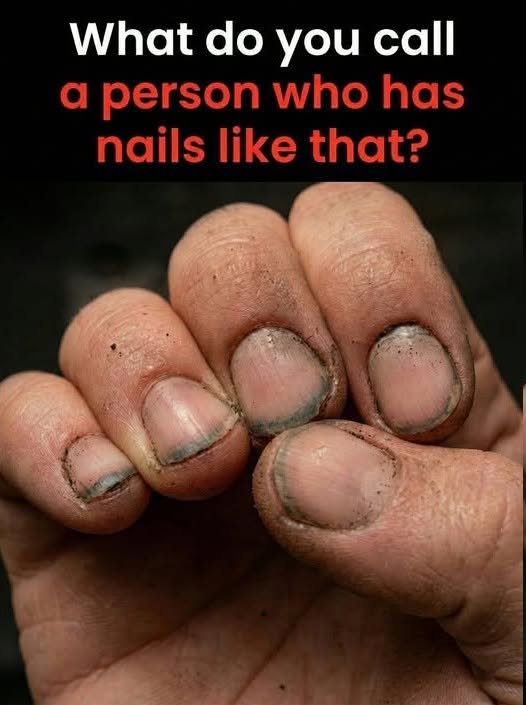

Viral social media posts featuring calloused, oil-stained hands or dirty fingernails often spark widespread discussions across online communities. The question “What do you call a person who has nails like that?” draws answers ranging from “a hard worker,” “a mechanic,” and “a provider,” to practical observations about hygiene and skin care.
Hands with embedded grease, dirt, or soil are the ultimate symbol of blue-collar labor—representing mechanics, construction workers, gardeners, landscapers, and artisans who perform essential manual work every day.
Below, we celebrate the dedication behind hard labor while sharing effective, practical tips for removing stubborn grease, oil, and grime from under fingernails.
Why Grease and Dirt Trap So Easily Under Nails
Fingernails protect the delicate nerve endings in our fingertips, but the space beneath the nail plate (the hyponychium) creates a natural pocket where micro-particles gather:
-
Engine Oil & Industrial Grease: Fine mineral oils and heavy greases used in automotive and industrial fields contain microscopic carbon particles that adhere stubbornly to keratin and skin tissues.
-
Garden Soil & Dust: Fine soil particles settle easily around cuticles and under free edges, requiring dedicated cleaning techniques rather than standard hand soap.
4 Easy Ways to Clean Stubborn Dirt & Grease From Nails
Standard soap often struggles against heavy industrial grime, but these tried-and-true methods quickly dissolve grease and lift dirt without drying out skin:
1. Heavy-Duty Pumice or Citrus Hand Cleaners
Hand soaps containing natural pumice, walnut shells, or citrus extracts (d-Limonene) are engineered specifically for mechanics and tradespeople. The citrus solvents break down tough oils, while gentle abrasive particles lift embedded grime.
2. The Nail Brush & Warm Water Technique
Always keep a soft-to-medium bristle nail brush near your sink. Wet the brush with warm water, apply a drop of dish soap or mechanic’s hand cleaner, and gently scrub under the tips of your nails using short forward-and-backward motions.
3. Coconut or Olive Oil Break-Down
If you don’t have specialized cleaners, massage a spoonful of cooking oil, coconut oil, or baby oil into your hands and nail beds before washing with soap. The oil binds to embedded grease, making it far easier to wash away.
4. Apply Barrier Cream Before Work
Prevention is key! Applying a specialized “invisible glove” barrier cream before starting a messy project creates a protective layer over cuticles and under nail edges, preventing oils and dirt from penetrating deep into skin creases.
Maintaining Skin Health for Manual Workers
Working continuously with raw materials, cold weather, and heavy chemicals can cause skin to crack and chap. Keeping hands healthy ensures comfort and long-term joint and skin health:
-
Moisturize Nightly: Apply a thick, petroleum-based ointment or heavy hand salve before bed to repair dry cuticles and cracked fingertips.
-
Protect Your Cuticles: Avoid digging under nails with sharp metal tools, which can tear the nail bed and lead to localized skin infections.
Conclusion
Whether hands belong to a mechanic, builder, farmer, or DIY enthusiast, dirty nails are often the badge of an honest day’s labor. With the right cleaning habits and proper skin care, you can keep your hands healthy, comfortable, and clean after every hard shift!
Frequently Asked Questions (FAQ)
How do mechanics get pure black grease out from under nails?
Soaking hands in warm water mixed with dish soap or using a specialized pumice hand soap paired with a soft nail brush is the most effective way to break down dense automotive grease.
Is embedded grease harmful to fingernails?
While automotive oils and dirt are not instantly harmful, leaving heavy industrial chemicals or moisture trapped under nails long-term can dry out the nail bed or irritate cuticles. Cleaning and moisturizing regularly maintains skin health!