 Skip to content

The Three Palm Line Alignments and Their Meanings
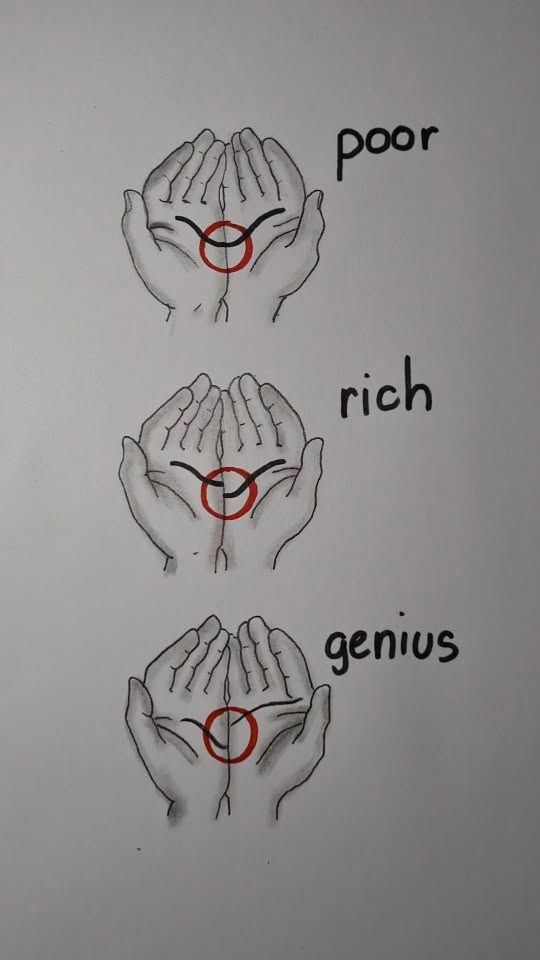
When you place the bases of your palms together with your pinky fingers touching, look closely at where the uppermost major horizontal line (the Heart Line) meets in the middle.
1. Perfectly Aligned Lines (“The Calm & Harmonious Mind”)
- Visual: The heart lines on both palms meet cleanly at the exact same height, creating a continuous, smooth arch across both hands. Anatomy
- Traditional Meaning: In classic palmistry, aligned heart lines signify emotional stability, strong self-discipline, and a calm, rational personality. People with symmetrical lines tend to prefer structure and order, avoiding unnecessary risks.
- Why the Meme Calls It “Poor”: In popular internet lore and folk humor, complete alignment is jokingly associated with playing it safe, prioritizing peace over high-risk financial gambles. However, in traditional palmistry, this alignment simply reflects a grounded, gentle, and reliable nature.
2. Right Palm Line Higher Than Left (“The Practical Realist”)
- Visual: The line on your right hand sits noticeably higher than the line on your left hand.
- Traditional Meaning: The right hand represents conscious action, acquired skills, and worldly achievements. A dominant right heart line suggests a pragmatic, ambitious individual who connects easily with older or wiser people.
- The “Rich” Connection: In traditional interpretations, a strong right line indicates strong drive, practical independence, and a knack for navigating real-world systems—traits often linked to career success, financial independence, and wealth accumulation.
3. Left Palm Line Higher Than Right (“The Intuitive Innovator”)
- Visual: The line on your left hand sits higher than the line on your right hand. Anatomy
- Traditional Meaning: The left hand reflects innate potential, inherited personality traits, and subconscious intuition. A dominant left line points to an independent thinker, high emotional intelligence, creative flair, and an adventurous spirit.
- The “Genius” Connection: Left-dominant alignments are associated with unconventional thinking, sharp intuition, and original problem-solving—hallmarks of creative visionaries, artists, and leaders who forge their own path rather than following established norms.
Dominant vs. Non-Dominant Hands in Palmistry
A crucial rule in hand analysis is understanding the distinction between your dominant and non-dominant hand:
- Non-Dominant Hand (Passive Hand): Represents your innate potential, inherited traits, and sub-conscious tendencies from birth.
- Dominant Hand (Active Hand): Represents how you apply your potential, choices you have made, and real-world actions in adulthood.
When comparing palm lines, noticing differences between your left and right hands shows how your personality and actions have evolved over time.
Anatomy
Fascinating Facts About Palm Reading and Human Hands
- Unique Lines: Like fingerprints, no two human hand line patterns are identical—even in identical twins!
- Lines Can Change: Main lines (heart, head, and life lines) can shift in depth, length, and texture over time as lifestyle, stress levels, and habits change.
- Ancient Origins: Palmistry traces back over 3,000 years to ancient India (Samudrika Shastra), expanding into China, Tibet, Greece, and ancient Egypt.
Conclusion
Whether your palm lines align in a smooth curve or sit unevenly across your hands, palmistry serves as a fun mirror for self-reflection. While meme diagrams oversimplify complex hand readings into fun categories like “Poor,” “Rich,” or “Genius,” traditional palm reading views every hand variation as a unique map of personality and potential.
Frequently Asked Questions (FAQ)
Which hand line is being compared in this diagram?
The diagram compares the Heart Line (the uppermost major horizontal line running under the base of the fingers across the palm).
GraphicDesign
Does palmistry scientifically predict wealth?
No. Palmistry is an ancient practice of character analysis and symbolism rather than an empirically proven science. Financial success depends on real-world actions, financial literacy, and opportunity.
What if my palm lines change height over time?
It is completely normal for minor crease lines and line depths to change as your hands age, skin elasticity shifts, or your daily hand usage changes.