 Skip to content

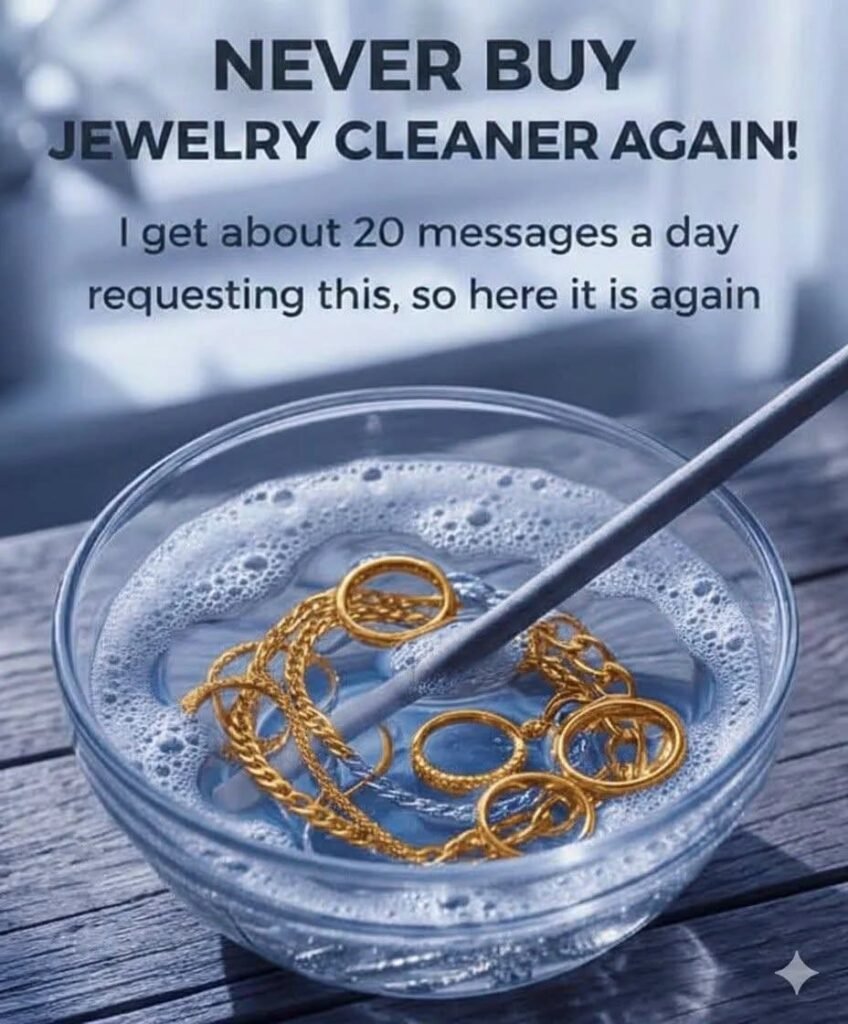

Over time, daily wear causes fine jewelry to collect lotions, body oils, dust, and soap scum, leaving precious metals dull and gemstones cloudy. While commercial polish dips exist, you can easily restore your rings, necklaces, and bracelets using gentle household ingredients you already have in your kitchen.
Viral social media graphics proclaiming “NEVER BUY JEWELRY CLEANER AGAIN!” are hugely popular for a reason: home remedies are fast, budget-friendly, and effective. However, knowing which cleaning solutions are safe for specific metals and stones is essential to avoid accidental damage.
Below, we break down safe DIY cleaning solutions, step-by-step instructions, and key rules for caring for gold, silver, and delicate gemstones.
Safe DIY Jewelry Cleaning Solutions for Everyday Pieces
1. The Gentle Dish Soap Bath (Best for Gold, Platinum & Diamonds)
For hard gemstones like diamonds, rubies, and sapphires set in gold or platinum, a mild warm water soak is the safest and most effective method:
-
Ingredients: Warm water and a few drops of mild, phosphate-free dish soap.
-
Instructions: Soak jewelry in a bowl of warm soapy water for 15 to 20 minutes. Gently scrub around settings and under stones using a soft-bristled baby toothbrush. Rinse thoroughly in clean warm water and dry with a soft microfiber cloth.
2. The Aluminum Foil & Baking Soda Method (Best for Tarnished Sterling Silver)
Silver oxidizes over time, creating dark tarnish. An electrochemical reaction gently removes tarnish without abrasive scrubbing:
-
Ingredients: $1\text{ tbsp}$ baking soda, $1\text{ tbsp}$ salt, warm water, and aluminum foil.
-
Instructions: Line a bowl with aluminum foil (shiny side up). Lay silver pieces on the foil. Add baking soda and salt, then pour warm water over the pieces. Let sit for 5 to 10 minutes as the tarnish transfers to the foil, then rinse and dry completely.
What NOT to Use on Fine Jewelry
To protect your favorite pieces, avoid harsh chemical shortcuts:
-
Avoid Abrasive Toothpastes: Baking soda pastes and toothpaste can scratch delicate gold alloys and softer metals.
-
Avoid Harsh Acids (Vinegar/Lemon Juices): Acidic liquids can erode metallic plating, dull polish, and permanently damage porous gemstones like pearls, opals, or turquoise.
-
Avoid Boiling Water for Soft Stones: Sudden temperature shifts can cause micro-fractures in heat-sensitive stones like emeralds and tanzanite.
4 Essential Care Tips to Keep Jewelry Sparkling
1. Apply Cosmetics Before Jewelry
Put on hairspray, perfumes, lotions, and makeup before putting on your jewelry. Chemicals in beauty products create a filmy residue that dulls brilliant shines quickly.
2. Remove Rings Before Chores and Swimming
Chlorine in swimming pools and harsh cleaning chemicals in household detergents can discolor gold alloys and weaken metal settings over time.
3. Use Microfiber or Polishing Cloths
Always dry and buff metals with a soft lint-free microfiber or jeweler’s polishing cloth instead of paper towels, which contain rough wood fibers that can create tiny surface scratches.
4. Store Pieces Separately
Diamonds can easily scratch gold, silver, and other gemstones if stored loosely together. Keep individual items in soft cloth pouches or lined compartments in a jewelry box.
Conclusion
You don’t need expensive commercial chemicals to keep your favorite pieces looking brilliant! A simple warm dish soap bath or silver baking soda soak will safely restore shine and keep your gold, silver, and diamonds sparkling for years to come.
Frequently Asked Questions (FAQ)
Can I clean pearls and opals with dish soap and water?
Porous gems like pearls, opals, and turquoise require extra delicate care. Never submerge them in water or use harsh cleaners. Instead, wipe them gently with a soft, barely damp microfiber cloth and allow them to air dry completely.
How often should I clean my everyday rings?
Soaking everyday pieces like engagement rings or wedding bands once every two weeks keeps oil and lotion from building up under settings and behind stones!