 Skip to content

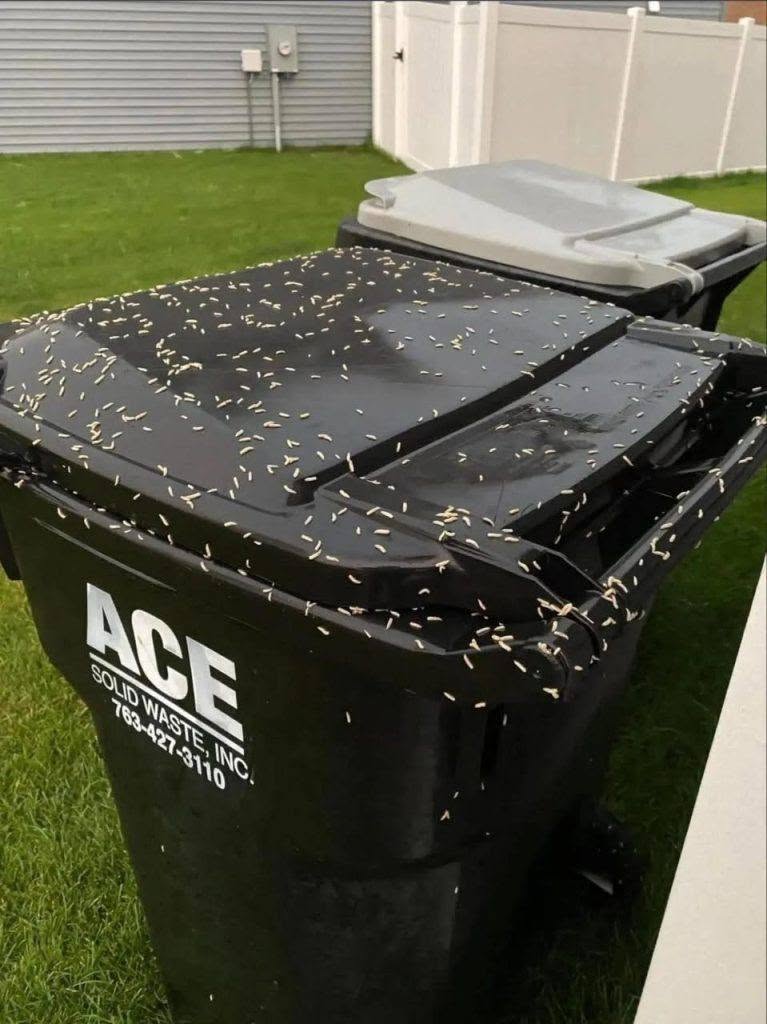

Discovering a swarm of maggots crawling over your outdoor garbage cans is one of the most frustrating and unpleasant household experiences. During warm summer months, female houseflies actively search for decaying organic matter—such as food scraps, meat packaging, and pet waste—to lay hundreds of eggs. Within a day, those eggs hatch into maggots, turning an ordinary trash bin into an unwanted breeding ground.
While seeing maggots on your trash lid can feel overwhelming, eliminating them and keeping your outdoor bins permanently clean is straightforward when you use the right combination of household treatments, proper waste management, and preventative maintenance.
Below, we cover immediate steps to eliminate maggots safely, effective bin-sanitizing methods, and long-term preventative tips to protect your home.
Immediate Action: How to Safely Eliminate Maggots
If you find maggots covering the lid or inside of your outdoor garbage can, take action immediately to destroy the infestation before flies multiply.
1. Boiling Water Flush
Boiling water is one of the fastest, cheapest, and most effective ways to instantly kill maggots on contact without using harsh chemicals.
-
Carefully boil a large pot or kettle of water.
-
Pour the boiling water directly over the infested areas on top of the lid, down the sides, and inside the bin.
-
The extreme heat instantly neutralizes maggots and destroys remaining fly eggs.
2. White Vinegar and Dish Soap Solution
If you prefer a natural cleaning spray, distilled white vinegar serves as an excellent eco-friendly pest control treatment.
-
Mix equal parts white vinegar and hot water in a bucket or spray bottle, adding a few drops of liquid dish soap.
-
Spray or pour the mixture thoroughly over the maggots.
-
The acidity of the vinegar combined with the surface tension of dish soap breaks down the protective coating on larvae and repels adult flies.
3. Commercial Disinfectant or Bleach
For severe infestations, a diluted bleach solution (1 cup of household bleach mixed with 1 gallon of water) or a strong antibacterial disinfectant spray will rapidly destroy larvae while sanitizing contaminated surfaces.
Step-by-Step Guide to Washing and Sanitizing Trash Bins
Once the active maggots are destroyed, give your outdoor waste bins a thorough deep cleaning to eliminate odors and residual bacteria that attract future pests.
-
Empty the Bin Completely: Wait until after your scheduled waste pickup day so the bin is entirely clear of household refuse.
-
Scrub with Heavy-Duty Cleaner: Apply an antibacterial cleaner, degreaser, or bleach solution to the interior and exterior walls of the trash container. Use a long-handled scrub brush to scrub away grime, grease, and residue trapped in the bottom grooves.
-
Rinse Thoroughly: Hose down the bin completely using a high-pressure garden hose nozzle or pressure washer.
-
Dry Completely in the Sun: Turn the bin upside down on a clean surface or leave the lid wide open under direct sunlight. Sunlight acts as a natural sanitizer, and UV rays help break down odor-causing bacteria. Crucial Rule: Never close the lid while the interior is still damp, as trapped moisture creates an ideal environment for mold and flies.
Effective Ways to Prevent Future Maggot Infestations
Prevention is always easier than dealing with an active infestation. Adopting a few simple waste management habits will keep flies away from your garbage cans all summer long.
Double-Bag Organic Waste and Meat Scraps
Flies are primarily drawn to decaying protein and moist food scraps.
-
Tightly seal raw meat trimmings, fish leftovers, and poultry packaging in small plastic bags before throwing them into your primary garbage bag.
-
Double-bag heavy or leak-prone trash bags to prevent liquids from pooling at the bottom of your outdoor can.
Keep Bins Tightly Sealed
Inspect your outdoor trash cans for cracked lids, loose hinges, or structural damage. Ensure lids close completely flat so flies cannot slip inside to lay eggs.
Utilize Natural Fly Repellents
Flies rely heavily on scent to locate breeding sites. Using strong essential oils near your outdoor storage area naturally deters them:
-
Peppermint Oil: Mix 10–15 drops of pure peppermint essential oil with water in a spray bottle and mist your trash can lids weekly.
-
Eucalyptus or Tea Tree Oil: Essential oils act as natural deterrents that mask food odors.
-
Epsom Salt or Baking Soda: Sprinkle a layer of baking soda at the bottom of clean, dry trash cans to absorb residual moisture and neutralize foul odors.
Home Maintenance, Sanitation, and Property Value
Maintaining clean outdoor spaces, proper sanitation, and routine home hygiene directly supports your quality of life, pest control management, and overall property upkeep.
-
Preventive Pest Control Services: Regular home inspection and pest control management safeguard your home against flies, rodents, ants, and other common household invaders.
-
Homeowners Insurance and Property Stewardship: Keeping outdoor storage areas organized, clean, and free of waste hazards ensures your living environment remains healthy and comfortable for family and guests alike.
-
Smart Budget Management: Simple DIY cleaning methods using household staples like vinegar, baking soda, and dish soap save money on expensive chemical exterminators.
Practical Checklist for Outdoor Trash Can Care
-
[ ] Schedule regular bin deep cleans once a month during spring and summer.
-
[ ] Store outdoor trash cans in shaded areas to reduce heat and slow food decomposition.
-
[ ] Line the bottom of your garbage cans with cardboard or old newspaper to catch accidental spills.
-
[ ] Rinse out food containers, cans, and jars before tossing them into recycling bins.
Fascinating Facts About Flies and Maggots
-
Rapid Hatch Time: Housefly eggs can hatch into maggots in as little as 8 to 20 hours in warm weather!
-
High Reproduction Rate: A single female housefly can lay up to 500 to 900 eggs in her brief lifetime.
-
Scent Sensitivity: Houseflies use specialized sensory receptors on their antennae and feet to detect decaying organic material from up to four miles away.
Conclusion
Finding maggots on your outdoor trash cans is unpleasant, but it is easily resolved with basic household tools. By using boiling water or vinegar solutions to handle immediate infestations, followed by thorough deep cleaning and proactive waste management, you can keep your garbage bins odor-free, hygienic, and pest-free all year long.
Frequently Asked Questions (FAQ)
What kills maggots instantly in a trash can?
Boiling water is the fastest natural way to kill maggots on contact. Concentrated bleach, rubbing alcohol, or a vinegar-and-dish-soap mixture also work rapidly.
How do flies get inside closed trash cans?
Flies can squeeze through micro-gaps around hinges, unsealed lids, or tiny cracks in plastic bins, especially when attracted by strong food odors.
Will baking soda stop maggots in garbage bins?
Baking soda absorbs moisture and eliminates foul odors that attract adult flies, making it an excellent natural preventative measure for clean, dry trash cans.