 Skip to content

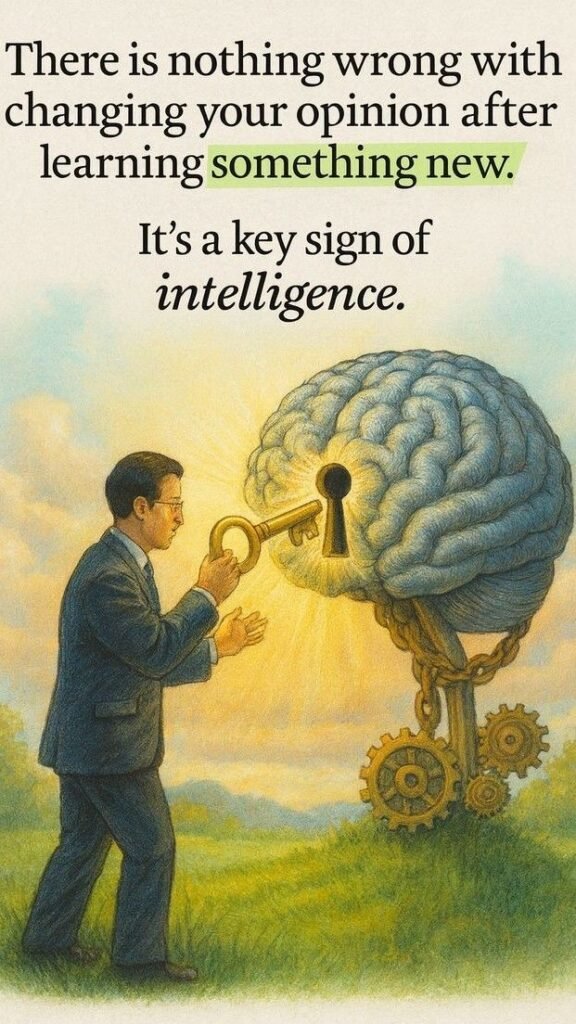
Developing this flexibility requires separating your ego from your views. When you hold your opinions loosely, updating them feels like upgrading software rather than losing a fight.
Opinion& Commentary
3. The Power of Adapting Across Essential Life Domains
Intellectual flexibility pays massive dividends across major sectors, allowing you to make smarter, long-term strategic choices.
+--------------------------------------------------------------------+
|               INTELLECTUAL FLEXIBILITY IN PRACTICE                 |
+------------------------------------+-------------------------------+
| Sector                             | Strategic Value of Adapting   |
+------------------------------------+-------------------------------+
| Personal Finance & Mortgages       | Adapts strategies to markets  |
| Corporate Business & Leadership    | Pivots models with technology |
| Health & Wellness Management       | Updates diets to medical data |
| Legal Services & Compliance        | Reevaluates risk with new law |
+------------------------------------+-------------------------------+
Personal Finance, Investment, and Real Estate
In financial planning, stubbornness is extremely expensive. Holding onto declining stock investments, outdated mortgage terms, or failing business strategies because you refuse to admit a mistake erodes wealth. Flexibly updating your approach based on shifting market data, interest rates, and inflation yields superior retirement security and asset growth.
ComputerScience
Corporate Leadership, Career, and Technology
In fast-paced business environments, companies and executives who refuse to adapt quickly become obsolete. Welcoming new technological innovations, adjusting digital marketing strategies, and listening to market feedback allows businesses to maintain operational efficiency and outpace rigid competitors.
Medical and Health Management
Medical science evolves constantly. Individuals who remain open to updating their dietary choices, workout regimens, and health management based on modern clinical research enjoy better long-term wellness and preventative health outcomes.
4. Practical Habits to Cultivate Intellectual Agility
Shifting your relationship with your own beliefs takes deliberate cognitive training.
1. Actively Seek Out Strong Counterarguments
Challenge your own assumptions by reading viewpoints from reliable sources you normally disagree with. Ask yourself: “What evidence would it take to change my current stance on this issue?”
Dictionaries& Encyclopedias
2. Separate Opinions from Personal Identity
Frame your beliefs using flexible language. Replace rigid statements like “I am completely against X” with adjustable statements like “Based on current data, I favor X, but I am open to changing my perspective if new facts emerge.”
3. Normalize Saying “I Don’t Know”
Accepting gaps in your knowledge is the prerequisite for gaining new insights. Admitting what you do not know removes the pressure to defend uninformed opinions.