

The ambiance of a clean, welcoming home extends far beyond clean surfaces and stylish decor—it is deeply tied to scent. The olfactory environment of a living space impacts overall wellness, mood, and stress levels. While store-bought air fresheners and synthetic sprays offer immediate scents, they frequently contain volatile chemical compounds, artificial fragrances, and expensive recurring price tags.
Fortunately, creating a fresh, inviting aroma throughout your living space can be achieved using natural, budget-friendly ingredients. Utilizing botanical herbs, essential oils, citrus peels, and pantry staples allows you to craft customized home fragrances that elevate your living environment without harsh chemicals.
The Benefits of Natural Home Fragrance
Transitioning away from artificial aerosol sprays toward natural DIY remedies offers significant health, financial, and environmental advantages.
Health and Indoor Air Quality
Synthetic air fresheners often emit volatile organic compounds (VOCs) that can trigger allergies, respiratory irritation, skin sensitivities, or headaches in sensitive individuals, children, and pets. Natural ingredients—such as lavender, eucalyptus, cinnamon, and citrus—provide clean aroma profiles without compromising indoor air quality.
Cost Efficiency
Commercial scented candles, room sprays, and plug-in refills can quietly add up to hundreds of dollars in annual household expenses. DIY home scent solutions utilize everyday pantry ingredients like baking soda, fresh herbs, fruit peels, and basic essential oils, keeping home care budget-friendly.
Why Choose DIY Natural Home Scents:
- Elimination of harsh aerosol propellants and synthetic chemicals.
- Fully customizable aroma blends tailored to your personal preferences.
- Significant long-term savings on everyday home care products.
1. Stovetop Simmer Pots (Stovetop Potpourri)
One of the easiest and most effective ways to fill your entire home with a rich, natural fragrance is a slow-simmering stovetop potpourri.
Ingredients and Preparation:
-
The Base: A small pot or slow cooker filled three-quarters full with water.
-
Aromatic Additions: Sliced oranges or lemons, cinnamon sticks, whole cloves, fresh rosemary sprigs, and a splash of vanilla extract.
-
Method: Bring the mixture to a gentle boil, then reduce the heat to the lowest setting to simmer. As the water warms, natural essential oils evaporate, distributing a warm, comforting aroma throughout your home. Top off the water every hour to prevent drying out.
2. Homemade Essential Oil Reed Diffusers
Reed diffusers offer continuous, flame-free scent dispersion, making them ideal for bedrooms, entryways, and home offices.
To assemble a DIY diffuser, combine a light carrier oil (such as sweet almond oil or safflower oil) with a splash of rubbing alcohol to aid dispersion. Add 20 to 30 drops of your preferred essential oils—such as lavender, bergamot, or cedarwood—into a glass vase. Place rattan diffuser reeds inside the bottle. Flip the reeds weekly to refresh the scent release.
3. Natural Baking Soda Carpet and Rug Deodorizer
Carpets, upholstery, and area rugs naturally trap household odors from cooking, pets, and foot traffic over time.
How to Use:
-
Combine two cups of pure baking soda with 15 drops of purifying essential oils like lemon, tea tree, or lavender in a glass container.
-
Mix thoroughly and sprinkle the scented baking soda evenly across carpets and cloth rugs.
-
Allow the mixture to sit for 20 to 30 minutes to absorb lingering odors.
-
Vacuum thoroughly to reveal deeply refreshed fabric fibers.
4. DIY Essential Oil Room and Linen Sprays
Creating a custom room spray gives you an instant fragrance burst whenever guest visits, bed changes, or living room refreshes occur.
In a glass spray bottle, mix 1/2 cup of distilled water, 2 tablespoons of witch hazel or rubbing alcohol (which helps the oil and water blend), and 25 drops of complementary essential oils. Blends like peppermint and eucalyptus create an invigorating atmosphere, while chamomile and lavender promote relaxation.
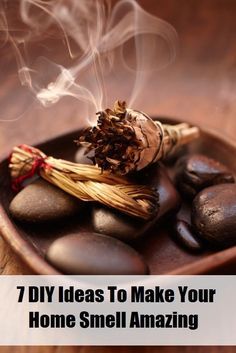
5. Herbal Bundle Smudges and Dried Botanical Dishes
Drying fresh garden herbs—such as sage, rosemary, thyme, and lavender—creates classic botanical displays that release subtle natural scents.
Bundling dried herbs with natural twine produces a decorative botanical smudge or fragrant tray accent. Placing bowls of dried botanical elements infused with essential oils in bathrooms, closets, or laundry rooms provides subtle, long-lasting aroma control without electricity or open flames.
6. Scented Gel Air Fresheners for Small Spaces
Gel fresheners are excellent for small, enclosed areas like pantries, shoe closets, and bathrooms where electrical outlets or open flames are impractical.
Heat unflavored gelatin in water, dissolve sea salt (to prevent mold growth), and stir in your choice of essential oils and natural food coloring. Pour the liquid into small glass mason jars fitted with breathable or perforated lids. As the gel sets, it slowly releases fragrance over three to four weeks.
7. Citrus and Herb Garbage Disposal Pods
Hidden odors frequently originate in kitchen sinks and drain lines due to food debris build-up.
Create refreshing disposal pods by freezing sliced citrus peels (lemons, limes, or oranges) and fresh mint leaves in ice cube trays filled with white vinegar. Drop a frozen citrus-vinegar pod into the disposal unit and run cold water while operating the disposal. The combination of ice sharpens the blades, white vinegar neutralizes bacteria, and citrus oils release a burst of clean aroma.
Smart Home Care and Budget Considerations
Integrating DIY home care routines aligns with smart personal finance management. Replacing single-use commercial cleaning products and aerosol fresheners with reusable DIY solutions frees up monthly household budget allocations that can be redirected toward emergency savings, home investments, or insurance funds.
Furthermore, maintaining clean, well-kept living space infrastructure protects property values—whether managing a rental, preparing for a home mortgage appraisal, or staging real estate for future sale.
Practical Tips for Long-Lasting Freshness
-
Prioritize Ventilation: Always open windows periodically to allow fresh outdoor air to circulate before applying home fragrances.
-
Use High-Quality Essential Oils: Select 100% pure plant essential oils to ensure strong aroma dispersion and safe air quality.
-
Practice Fire Safety: Never leave stovetop simmer pots or burning botanical bundles unattended.
-
Keep Scents Pet-Safe: Ensure selected essential oils (such as eucalyptus, tea tree, or citrus) are used in well-ventilated areas away from sensitive pets.
Conclusion
Creating an inviting, beautifully scented home does not require expensive commercial products or synthetic fragrance sprays. By tapping into simple natural ingredients—like fresh citrus, warm spices, botanical herbs, and essential oils—you can easily craft safe, sustainable, and cost-effective home fragrance solutions. Try these 7 simple DIY ideas today to elevate your living environment naturally.
Frequently Asked Questions (FAQ)
How long does a stovetop simmer pot last?
A stovetop simmer pot can last up to 3 to 4 days if kept covered in the refrigerator overnight. Simply add fresh water each time you reheat it on the stove.
Are essential oil room sprays safe for pets?
Most essential oils are safe when properly diluted in sprays and used in well-ventilated spaces. However, certain concentrated oils (like tea tree, pine, and peppermint) can be sensitive for cats and dogs, so research pet-safe oil options beforehand.
Why is baking soda effective at removing household odors?
Baking soda (sodium bicarbonate) neutralizes both acidic and basic odor molecules rather than simply masking them, making it one of the most effective natural deodorizers available.
How often should I flip the reeds in a DIY reed diffuser?
Flipping the rattan reeds once a week refreshes the essential oil absorption and maintains consistent fragrance distribution throughout the room.