 Skip to content

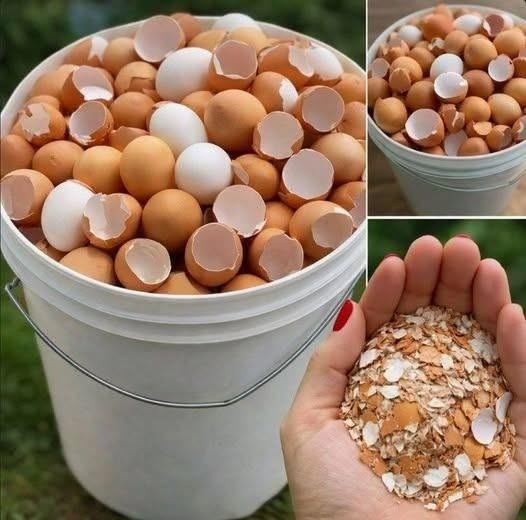

In the world of organic gardening and home sustainability, repurposing kitchen scraps is one of the easiest ways to enrich your soil while reducing food waste. Among all kitchen bypass products, eggshells are a true goldmine for plant nutrition.
Crushed eggshells are a popular gardening secret across social media for a reason: they are completely free, eco-friendly, and brimming with essential minerals that help flowers, vegetables, and fruit crops flourish.
Below, we break down why eggshells benefit soil, how to safely prepare and crush them at home, and which garden plants gain the most from this natural booster.
The Benefits of Eggshells for Garden Soil
Eggshells are composed almost entirely of calcium carbonate, making them an excellent organic soil amendment:
1. Provides Essential Calcium for Strong Roots
Calcium is a crucial macronutrient that strengthens cell walls in developing plants. Without adequate calcium, fruit crops often suffer from structural weaknesses and stunted development.
2. Prevents Blossom End Rot in Tomatoes and Peppers
Blossom end rot is a common calcium deficiency that causes the bottoms of tomatoes, peppers, and eggplants to turn black and sunken before ripening. Adding ground eggshells to soil provides a steady supply of slow-release calcium to prevent this issue.
3. Improves Soil Aeration and Texture
Coarsely crushed eggshells lighten heavy soils by improving aeration and drainage, creating a healthier environment for root expansion and earthworms.
Step-by-Step: How to Prepare DIY Eggshell Fertilizer
Raw eggshells should be sanitized and processed properly before being added to soil to prevent unwanted bacteria and attract pests:
Step 1: Wash and Rinse Thoroughly
Rinse leftover eggshells under warm water to remove residual egg white membrane.
Step 2: Dry or Bake for Sterilization
Spread the shells on a baking sheet and air-dry them completely, or bake them in an oven at 200°F (93°C) for 10 to 15 minutes. Baking sterilizes the shells and makes them brittle for easy crushing.
Step 3: Crush or Grind
Crush the dried shells using a rolling pin, mortar and pestle, or blend them in a food processor into a fine powder. Finer particles break down and release calcium into the soil much faster than large pieces.
4 Best Ways to Use Crushed Eggshells in Your Garden
-
Planting Hole Booster: Add a tablespoon of finely crushed eggshell powder directly into the planting hole when transplanting tomatoes, peppers, or squash.
-
Compost Bin Addition: Toss crushed shells into your compost pile to raise calcium levels and balance compost acidity naturally.
-
Potting Mix Additive: Mix ground eggshells into container soil for indoor houseplants and potted vegetables.
-
Pest Barrier: Sprinkle coarsely crushed eggshells in a circle around seedling stems to deter soft-bodied pests like slugs and snails.
Conclusion
Before tossing your eggshells in the trash, consider saving them in a container! With just a little preparation, you can turn kitchen waste into a high-grade, natural nutrient booster that keeps your garden lush, green, and productive all season long.
Frequently Asked Questions (FAQ)
How long does it take for eggshells to break down in soil?
Coarsely crushed eggshells can take several months or up to a year to fully decompose. Grinding them into a fine, dust-like powder allows soil microbes to break down and release calcium much faster!
Which plants love eggshells the most?
Heavy calcium feeders benefit the most, including tomatoes, peppers, eggplants, squash, broccoli, kale, and flowering perennials like roses.