 Skip to content

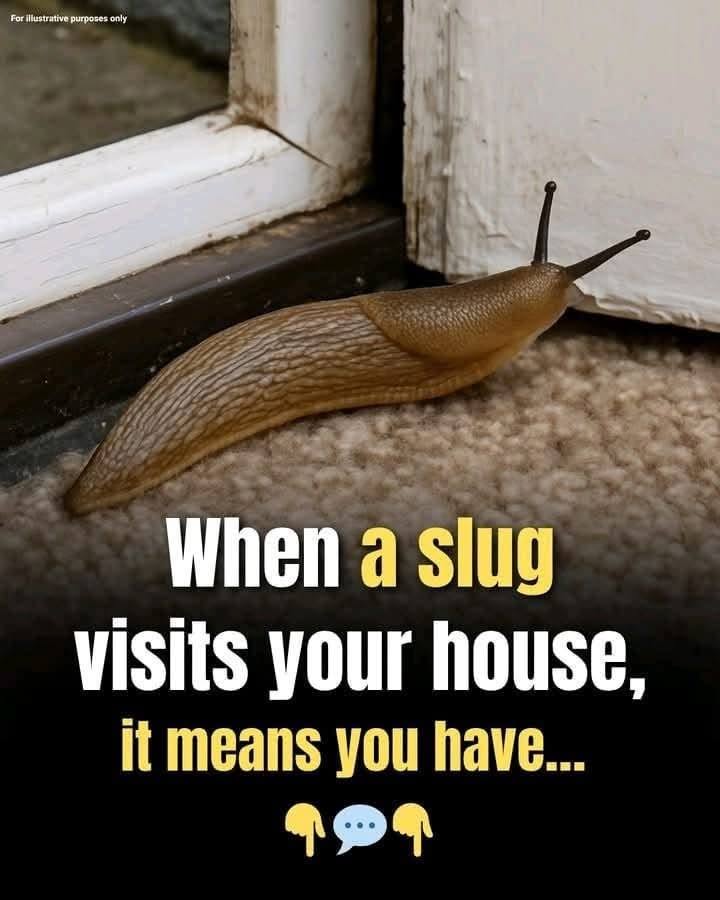

Discovering a slug gliding across your kitchen tile or rug can be a surprising and slimy encounter. Beyond internet folklore and superstitious interpretations, the presence of slugs indoors is a clear sign of specific environmental conditions around your living space.
Understanding why slugs enter homes, the practical implications for home maintenance, and safe, humane removal methods can help you protect your indoor space and keep unwelcome gastropods outside where they belong.
What a Slug inside Your House Actually Means
When a slug makes its way indoors, it isn’t an omen—it is a direct indicator of moisture, darkness, and accessible entry points.
| What It Means | Cause / Explanation | Home Maintenance Impact |
| High Indoor or Foundation Moisture | Slugs require damp environments to keep their bodies from drying out. | May indicate hidden plumbing leaks, condensation, or high humidity. |
| Unsealed Gaps & Entry Points | Slugs can squeeze through microscopic cracks under doors or floorboards. | Signals drafty door thresholds, unsealed pipes, or cracked foundations. |
| Cool Shelter from Heat/Cold | Slugs are nocturnal and seek dark, cool shelter away from drying sun. | Common during hot summer months or unusually dry spells outdoors. |
The Science of Slugs: Why Moisture Matters
Slugs are shell-less terrestrial gastropod mollusks. Because they lack a protective outer shell, their bodies consist mostly of water and are protected only by a layer of mucus.
1. The Role of Mucus Trails
Slugs secrete slime (mucus) to cushion their bodies, reduce friction while moving, and stay hydrated. The silvery trails left on carpets or hardwood floors are the dried protein-and-sugar remnants of this fluid.
2. Nocturnal Instincts
Because daylight UV rays and dry air dehydrate slugs quickly, they feed and travel almost exclusively at night. Homes with damp basements, crawl spaces, or leaky under-sink plumbing create ideal dark, damp microclimates.
Practical Steps to Prevent Slugs from Entering Your Home
If you regularly spot slugs inside, take these proactive maintenance measures:
                  [ Identify Indoor Slug Spotting ]
                                 |
     +---------------------------+---------------------------+
     |                                                       |
[ Seal Entry Points ]                               [ Control Moisture ]
 - Weather-strip doors & thresholds                 - Fix leaky pipes & faucets
 - Seal cracks along baseboards                     - Run a dehumidifier in basements
 - Caulk around utility pipe penetrations           - Improve under-floor ventilation
1. Seal Door Thresholds and Floor Cracks
Install rubber door sweeps along exterior doors and apply silicone caulk around basement windows, floor vents, and pipe entries.
2. Address Household Moisture
Check under sinks and near laundry areas for minor water drips. Lowering indoor humidity levels makes your home uninviting to slugs.
3. Clear Exterior Perimeter Coverage
Keep decaying leaves, mulch, firewood piles, and dense garden foliage at least 1 to 2 feet away from your home’s foundation to remove exterior hiding spots.
Safe and Humane Slug Removal Methods
-
Paper Towel or Glove Relocation: Gently lift the slug using a damp paper towel or gloved hand and release it outdoors near shaded garden shrubbery.
-
Avoid Harsh Chemicals: Indoors, avoid using chemical slug baits or salt, which can create messy residue and pose accidental ingestion risks to inquisitive pets or young children.
Key Takeaways and Conclusion
Seeing a slug indoors simply means you have a moist environment nearby and a small gap that needs sealing. By addressing door thresholds, lowering basement humidity, and clearing garden debris around the foundation, you can easily keep your home clean, dry, and slug-free.
Frequently Asked Questions (FAQ)
What does it mean when you find a slug in your house?
It means there is an accessible gap or crack leading indoors alongside high moisture or humidity that attracted the slug seeking cool, dark shelter.
How do slugs get inside if windows and doors are closed?
Slugs have flexible, shell-less bodies that allow them to squeeze through tiny gaps under door sweeps, floorboards, foundation vents, or around pipe penetrations.
Are indoor slugs harmful to human health?
Slugs are not aggressive and do not bite. However, like many garden creatures, they can carry bacteria, so it is best to avoid handling them directly with bare hands and to clean any slime trails with warm soapy water.